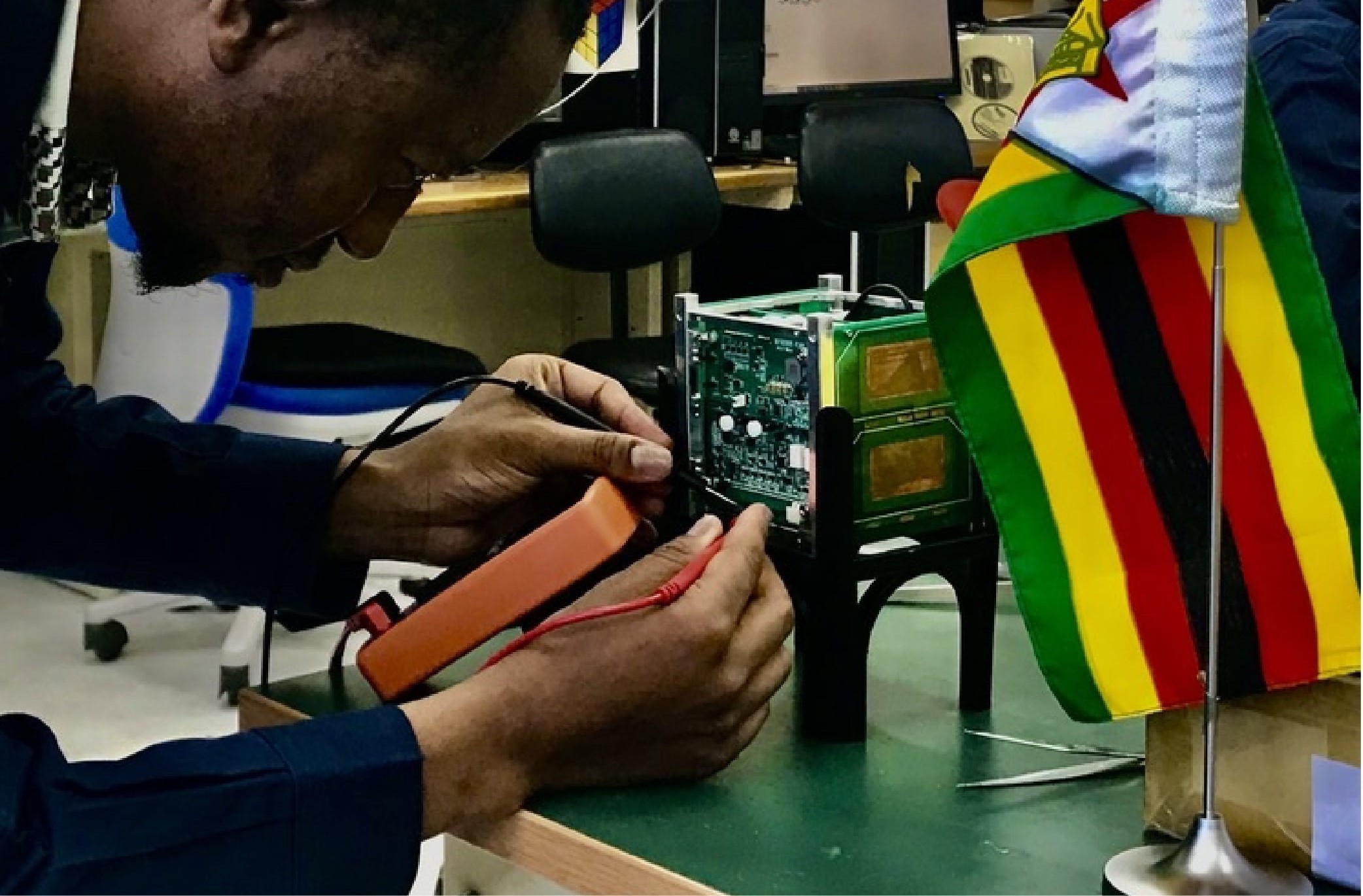

Space science continues to unravel the mysteries of the cosmos, revealing astonishing discoveries that redefine our understanding of the universe. From distant galaxies to exoplanets and cosmic phenomena, researchers are making groundbreaking observations that challenge existing theories and inspire new avenues of exploration.
Advancements in telescopic technology have enabled astronomers to peer deeper into the universe than ever before. Observations of distant galaxies, billions of light-years away, provide valuable insights into the formation and evolution of galaxies over cosmic time scales. Discoveries such as galactic mergers, supermassive black holes, and galaxy clusters shed light on the dynamic processes shaping the universe.
The discovery of exoplanets orbiting stars beyond our solar system has revolutionized our understanding of planetary systems and the potential for life beyond Earth. Astronomers have identified thousands of exoplanets, ranging from rocky worlds to gas giants, many of which are located within their star's habitable zone. These findings raise intriguing questions about the prevalence of life in the universe and the conditions necessary for planetary habitability.
Space science explores a diverse array of cosmic phenomena, from supernovae explosions to gamma-ray bursts and gravitational waves. Each discovery provides unique insights into the fundamental forces and processes at work in the universe. For instance, the detection of gravitational waves has opened a new window onto the universe, allowing scientists to study cataclysmic events such as the collision of black holes and neutron stars.
The quest to understand dark matter and dark energy remains one of the most compelling mysteries in modern cosmology. While dark matter constitutes the majority of matter in the universe, its nature and interactions with visible matter remain elusive. Similarly, dark energy, which drives the accelerated expansion of the universe, presents a profound challenge to our current understanding of fundamental physics.
The future of space science is promising, with upcoming missions and technologies poised to expand our knowledge and capabilities. From next-generation telescopes to ambitious space missions, such as the James Webb Space Telescope and the Vera C. Rubin Observatory, scientists anticipate groundbreaking discoveries that will continue to shape our understanding of the cosmos.
Space science stands at the forefront of human exploration, pushing the boundaries of knowledge and inspiring generations to delve deeper into the mysteries of the universe. As researchers uncover new discoveries and insights, they illuminate the vast and awe-inspiring complexity of our cosmic surroundings, offering glimpses into the origins and evolution of the cosmos.
Your email address will not be published. Required fields are marked *